What Is Print-on-Demand? A Plain-English Guide
Baski · Jul 11, 2026 · 3 min read
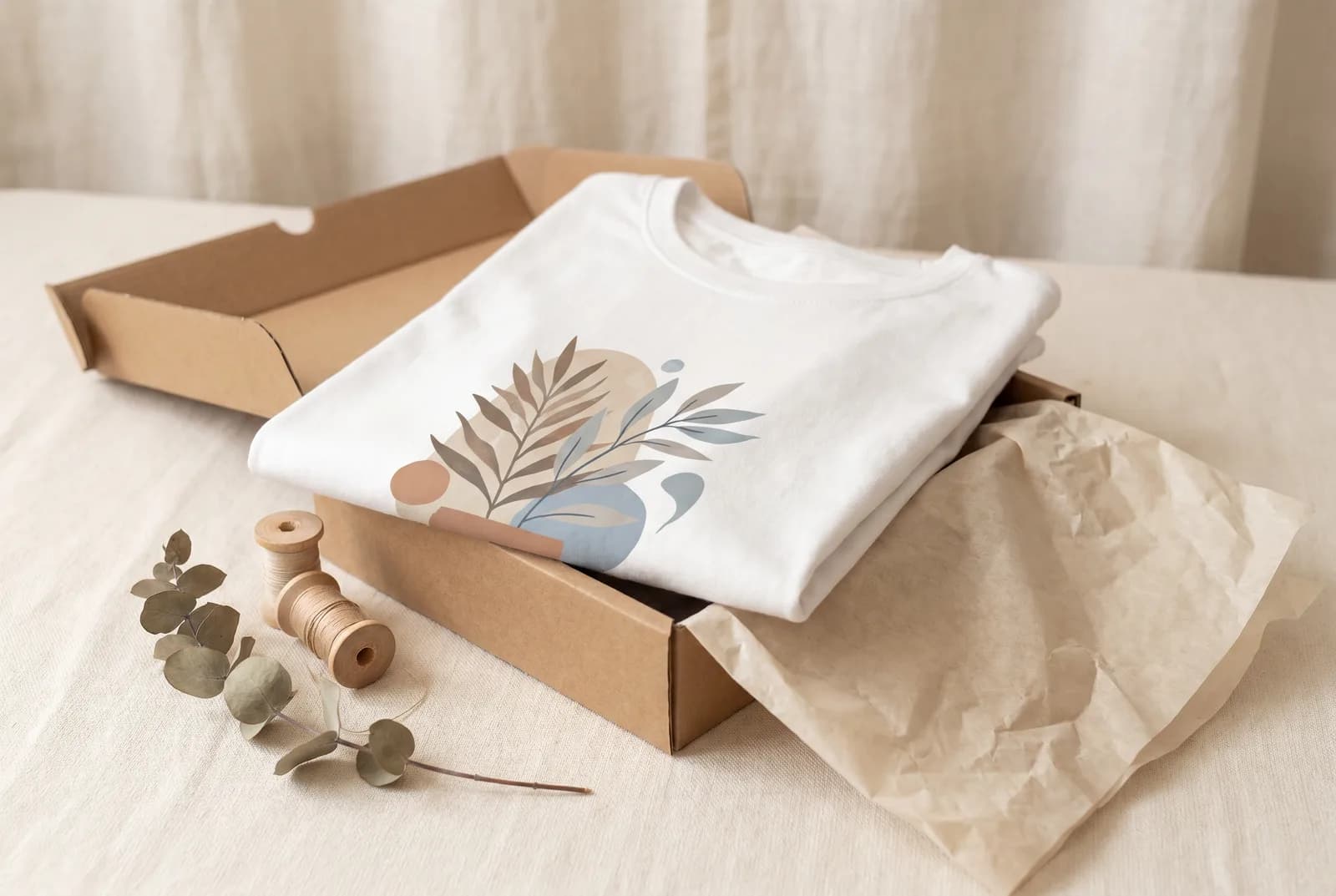
You've probably seen the phrase "print-on-demand" on t-shirt sites and wondered what it actually means. Here's the plain-English version — no jargon.
The one-sentence version
Print-on-demand (POD) means the product is made only after someone buys it. Nothing is printed, stocked, or shipped ahead of time. An order comes in, then the item is printed and sent. That's the whole idea.
Compare that to the old way: print 500 shirts, stack them in a garage, and hope they sell. POD deletes the garage.
How it works, step by step
- You create a design. With Baski, you describe it in a chat and the AI draws it — no design tool needed.
- You pick a product. A t-shirt, hoodie, tote — whatever fits the design.
- Someone orders it. That order is the trigger.
- A print partner makes it. The design is printed onto the blank item, on the spot.
- It ships straight to the buyer. You never touch a box.
The key: steps 4 and 5 only happen after step 3. No order, no printing.
Why people love it
- No inventory. You're never stuck with unsold stock.
- No minimums. One shirt is a perfectly fine order.
- No upfront cost. You're not paying for 500 units before you've sold one.
- No risk on new ideas. A design that flops costs you nothing but the time to make it.
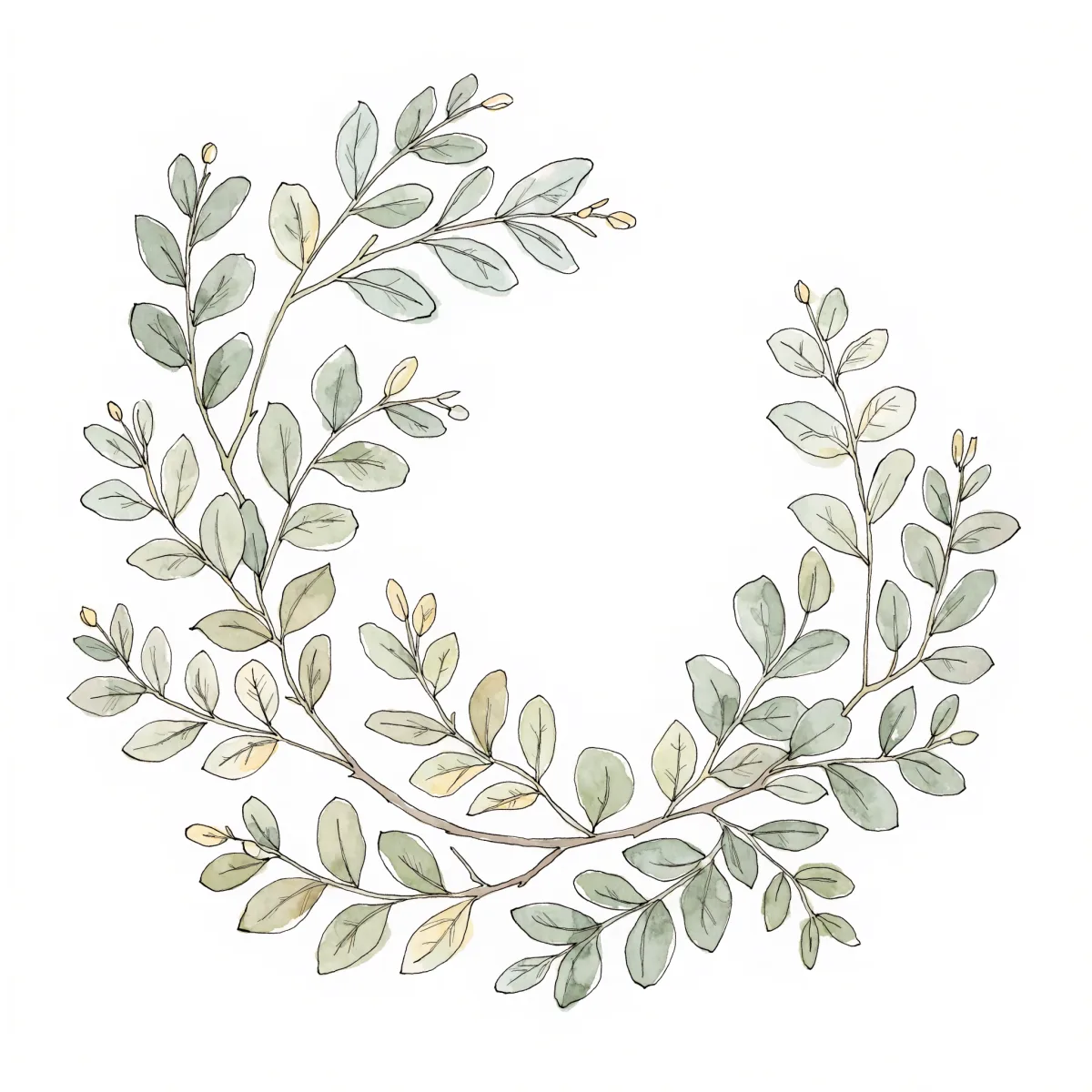
That freedom is why POD is perfect for testing ideas — a niche design like a delicate botanical wreath can go live without ordering a single unit in advance.
The trade-offs (to be honest)
POD isn't magic. The fair-and-square downsides:
- Higher per-item cost. Making one at a time costs more than printing 500, so margins per item are thinner than bulk.
- Less control over packaging. The print partner handles fulfillment, so it's more hands-off.
- Shipping takes a bit longer than something already sitting in a warehouse, because it's made fresh.
For most people starting out, those trade-offs are more than worth avoiding the risk and cost of bulk.
Print-on-demand vs. buying in bulk
| Print-on-demand | Bulk order | |
|---|---|---|
| Upfront cost | None | High (pay for all units) |
| Minimum order | 1 | Often 50–500+ |
| Inventory risk | None | You own unsold stock |
| Per-item cost | Higher | Lower |
| Best for | Testing ideas, small runs, custom | Proven designs, large volume |
Where AI design fits in
POD removes the inventory risk. AI removes the design barrier. Together, they mean anyone can go from "I have an idea" to "it's a real product someone can buy" — without a warehouse or a design degree. You describe it, the AI designs it, and it's printed only when someone wants one.
Want to see it in action? Join the early-access list — describe a design and we'll print it, made to order. More basics on the Baski blog.
Frequently asked questions
None at all. You describe what you want in plain words — a vibe, an occasion, a joke — and the AI designs it for you. If you can text a friend, you can design with Baski.